Loading zone enforcement solutions
Ensure the correct use of loading zones by making sure they are used only by authorized vehicles and within the permitted time limit.


From fully automated evidence generation and enforcement through license plate recognition (LPR) to supervision models based on digital permits, real-time alerts, or assisted validation.
-
Reduce misuse of loading and unloading zones
-
Increase vehicle turnover in loading zones
-
Improve the efficiency of urban deliveries
-
Reduce double parking
-
Reduce double parking
-
Optimize the use of public space, reducing the need to expand loading zones
-
Optimize enforcement resources through digital incident detection
-
Reduce operational control costs
-
Improve space availability for delivery professionals
-
Facilitate regulatory compliance with verifiable evidence
How does loading zone enforcement work?
The solution enables the management of urban logistics zones with different levels of automation, improving turnover and preventing misuse.
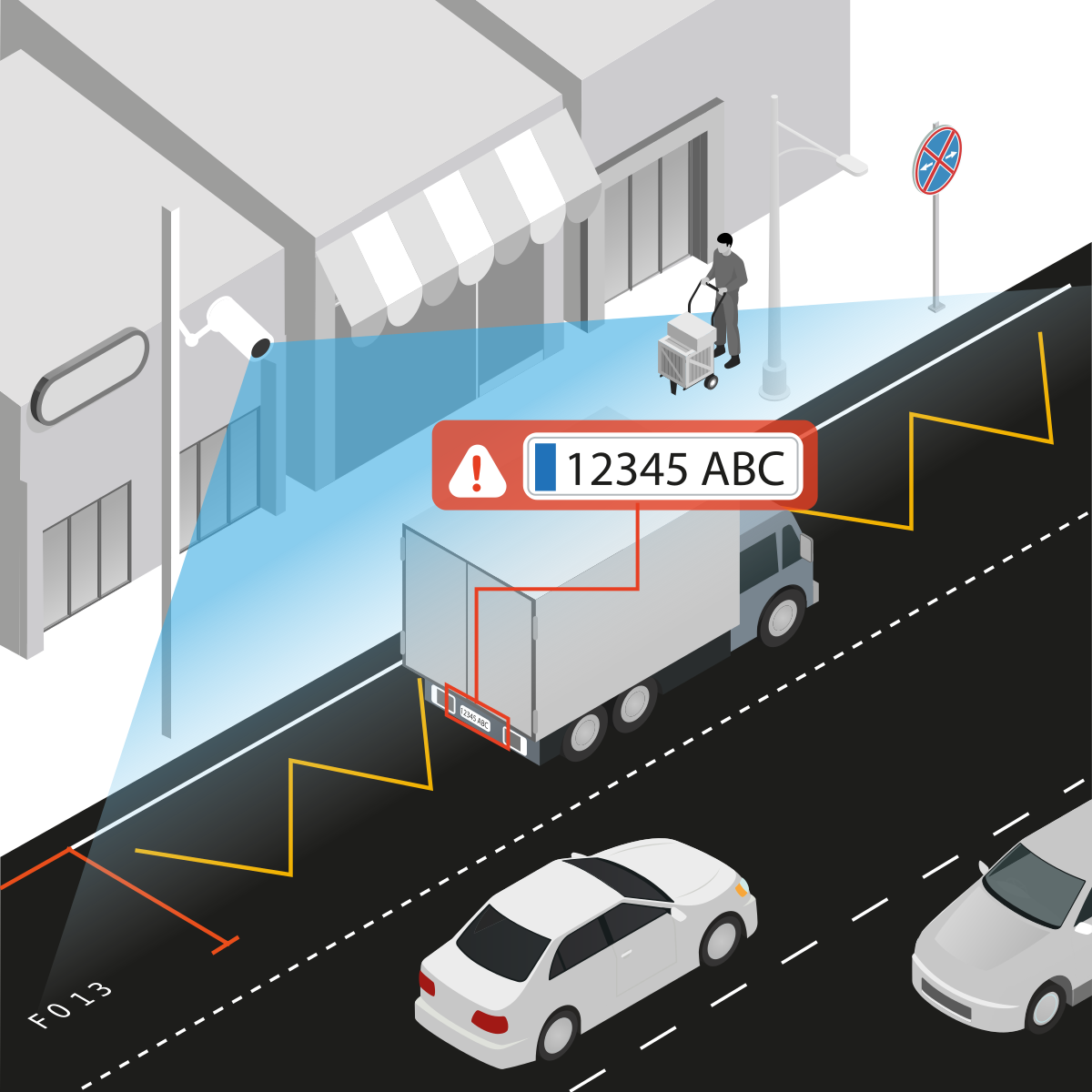
Fully automated enforcement with LPR cameras
Cameras automatically detect space occupancy and capture the vehicle’s license plate
The system validates in real time whether the vehicle is authorized to use the loading zone based on configured regulations (time windows and usage conditions)
It also verifies whether the maximum allowed parking time is respected
If a violation is detected—unauthorized vehicle or overstaying—the system automatically generates the required evidence for enforcement
The entire process is carried out without manual intervention
Result: a fully automated model that ensures proper use of loading zones, improves vehicle turnover, and maximizes enforcement efficiency

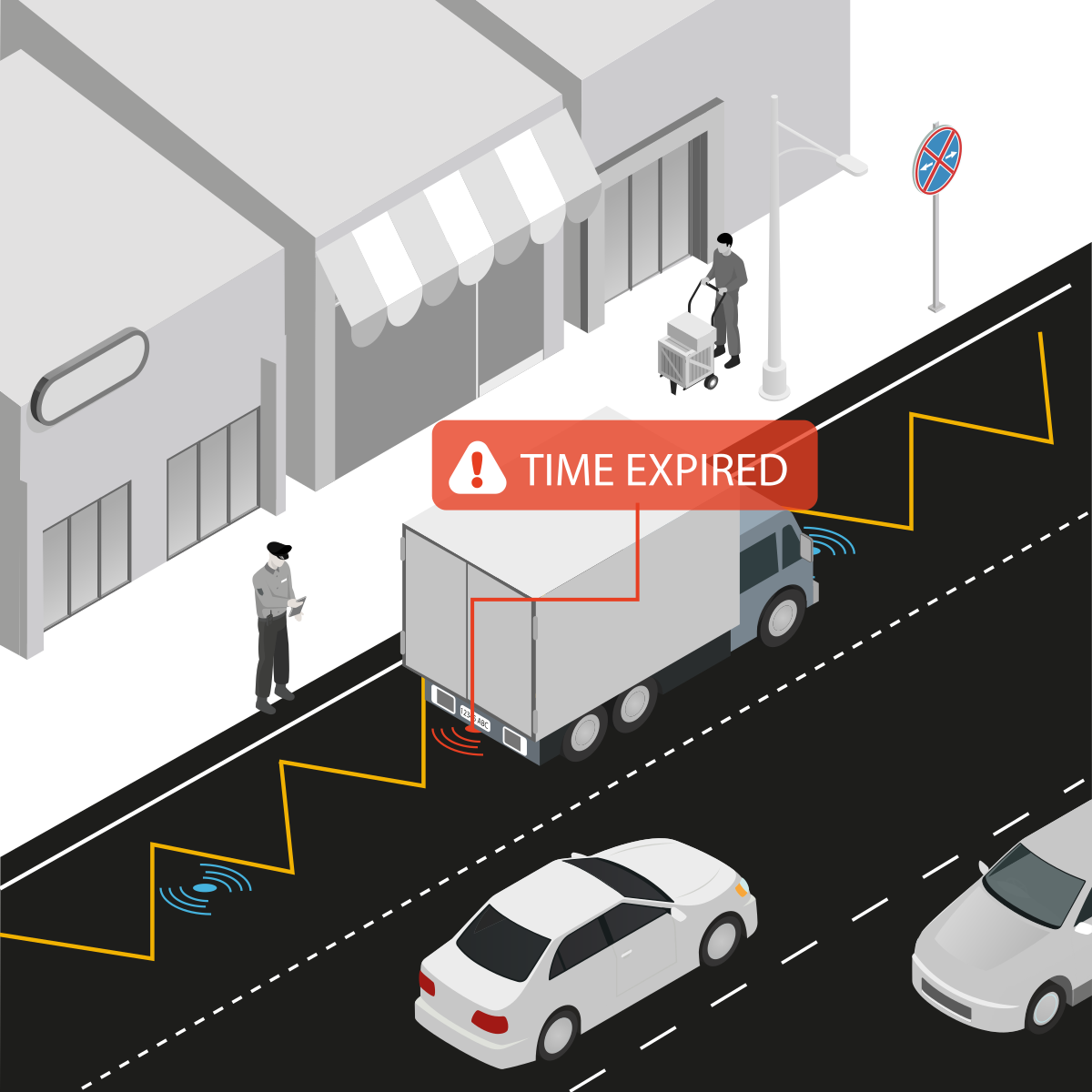
Control automático de las plazas de carga y descarga con alertas en tiempo real
Los sensores IoT o cámaras detectan automáticamente la ocupación de cada plaza.
El usuario debe disponer de un permiso válido y, cuando la normativa lo requiera, declarar el uso de la plaza mediante la App (ParkTime).
El sistema cruza la información de ocupación con la base de usuarios autorizados y los permisos o sesiones activas, así como el tiempo máximo permitido.
Si el vehículo no dispone de permiso válido, no ha declarado el uso o excede el tiempo permitido, se genera una alerta automática.
Los vigilantes reciben la notificación en tiempo real y actúan únicamente cuando es necesario.
Resultado: un modelo eficiente que mejora la rotación de vehículos, optimiza los costes de control y permite una supervisión basada en incidencias reales.

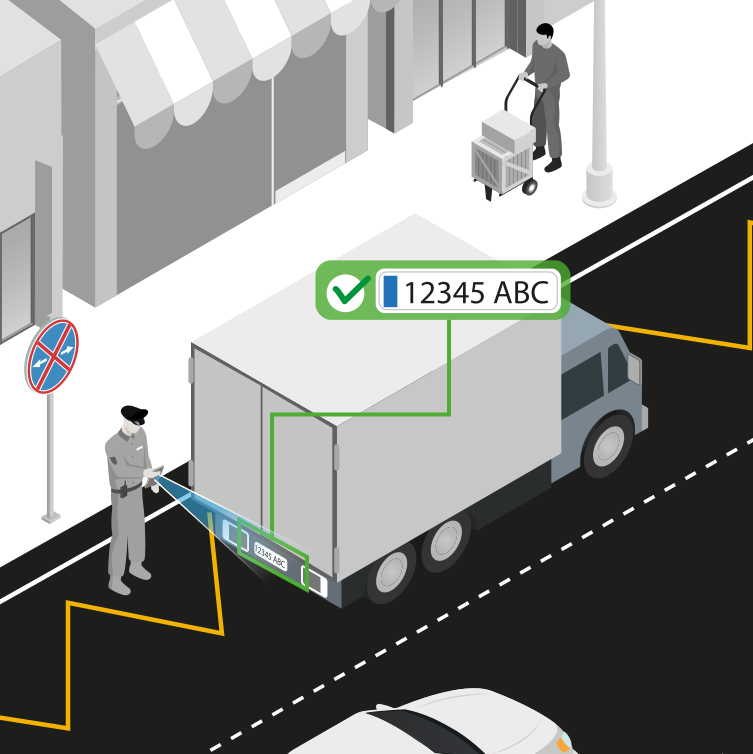
Enforcement through assisted license plate validation
The enforcement officer follows their regular route and scans the vehicle’s license plate using the ParkCtrl App.
The system checks in real time whether a valid permit exists and whether usage conditions are met (time window, duration, user type).
Within seconds, the officer can verify whether the vehicle is authorized and complies with time restrictions.
In case of non-compliance, the system records the incident and provides the necessary information to issue a citation.
Result: a flexible model that enables digital enforcement of loading zones without deploying infrastructure in the street, reducing implementation costs and simplifying field operations
Automated enforcement with alerts
Watch the video to see how real-time alert-based enforcement works.

Explore the available technologies and configure your enforcement model
Technologies

Why choose Urbiotica for loading zone enforcement?
- Solution adaptable to each level of automation
- Evidence generation and legal reliability – Each incident is recorded with verifiable information for enforcement procedures
- Proven experience in high-demand operational environments – Over 16 years digitizing regulated parking in more than 50 countries
- Single-space enforcement – Independent validation per space for more precise management
- Data to optimize urban logistics – Real-time insights on occupancy and turnover to improve urban freight planning

Projects that have trusted ParkCtrl
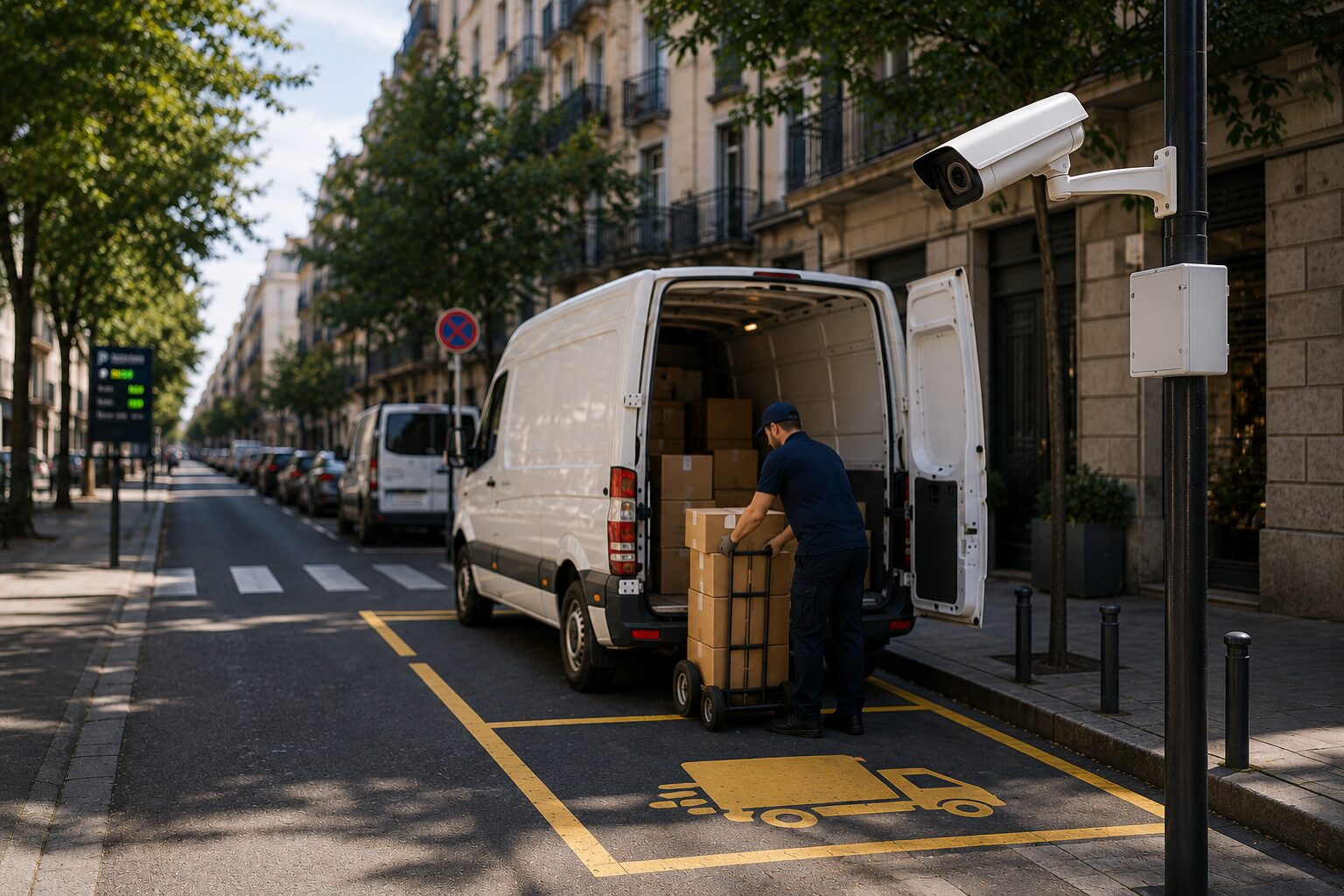
More than 230 loading and unloading spaces digitalized to improve turnover, reduce misuse and support smarter urban logistics within the city’s Low Emission Zone.
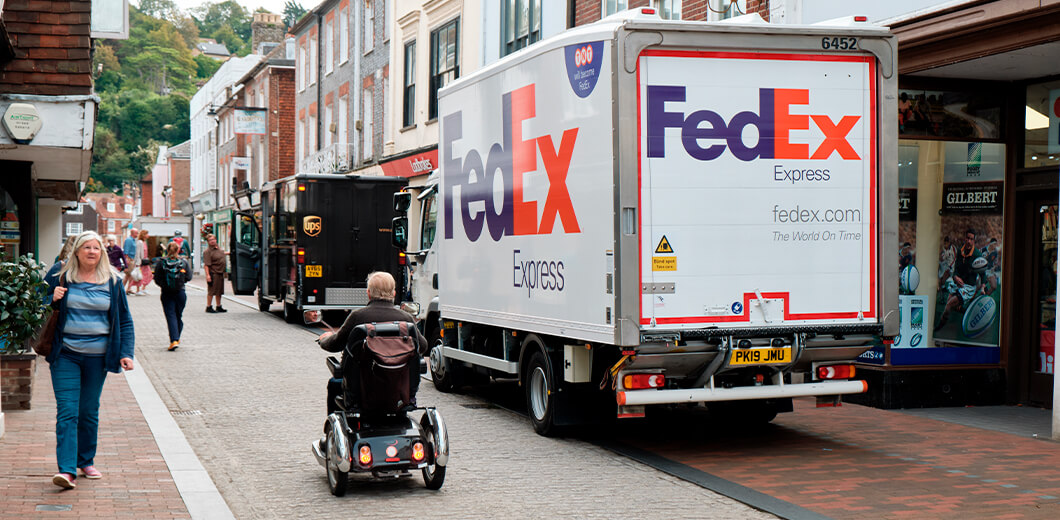
Deployment of 400 U-Spot VISIO cameras across loading zones throughout the city to monitor occupancy, detect violations, and analyze usage patterns


Frequently Asked Questions
How does it improve urban logistics?
By ensuring the correct use of loading zones, the solution improves actual space availability and enables delivery vehicles to find space and operate efficiently.
Controlling misuse, from unauthorized vehicles to overstaying, improves turnover and prevents prolonged occupation, ensuring availability when needed.
As enforcement becomes more visible and consistent, users tend to comply with regulations, reducing fraud and misuse over time.
As a result, double parking is reduced, improving traffic flow and decreasing congestion.
This approach contributes to more efficient urban freight distribution, with a direct impact on mobility, economic activity, and public space quality.
Can it be deployed without changing current operations?
Yes. The solution adapts to existing operations and can be deployed without transforming current processes from the start.
It can begin with alert-based or assisted validation models, integrating with existing inspection teams and management tools.
As the project evolves, more advanced levels of automation can be progressively introduced, such as automatic detection through sensors or LPR cameras and automated evidence generation, without redesigning operations or replacing existing systems.
This approach enables gradual deployment, reduces project risk, and facilitates adoption by operational teams.
Can it integrate with other mobility platforms or municipal systems?
Yes. The platform integrates through APIs and open standards, allowing connection with urban management systems, ticketing platforms, mobility solutions, and existing municipal tools.
This enables real-time data exchange and centralized management within a single operational environment without replacing existing systems.
It also facilitates interoperability with other city services such as mobility platforms, access control systems, or analytics tools, contributing to more efficient and coordinated public space management.
How does it impact costs and service efficiency?
The impact depends on the level of automation implemented, but in all cases it improves operational efficiency and service performance.
In assisted validation models, field inspection is digitized, reducing time and improving route efficiency without requiring infrastructure deployment.
In automated models, the system detects incidents in real time, replacing random inspections with event-based supervision, optimizing resource allocation and reducing operational costs.
In fully automated LPR-based models, detection, validation, and evidence generation are automated, minimizing manual intervention and enabling full enforcement automation in compliance with regulations.
In all cases, improved compliance and increased turnover lead to more efficient use of public space and better overall service performance.
What happens if an unauthorized vehicle occupies a space?
The system detects misuse by cross-checking occupancy data with configured usage rules and, when applicable, authorized user databases and active permits.
When an irregularity is detected—unauthorized vehicle, undeclared use, or overstaying—the system acts according to the deployed model.
In alert-based models, a real-time notification is generated for targeted intervention.
In LPR-based automated models, the system can directly generate evidence of the violation, including license plate and incident records, without manual intervention.
All information is recorded in the platform, ensuring full traceability and supporting enforcement procedures.
Is it necessary to install sensors in every space?
Not necessarily. In alert-based models, occupancy can be detected using IoT sensors installed in each space or camera-based solutions.
In higher automation scenarios, LPR-based systems can be deployed to automate detection and evidence generation.
Additionally, assisted validation models allow enforcement through license plate scanning by officers, without requiring infrastructure deployment.
How is maximum parking time controlled?
The platform records the start time of occupancy or declared usage and automatically compares it with the maximum allowed time configured for each zone.
If the vehicle exceeds the allowed time, the system detects the violation and generates an alert or evidence depending on the deployed model.
Can it be adapted to different urban logistics models?
Yes. The solution allows configuration of time windows, maximum parking durations, authorized user types, and usage conditions according to each city or project.
This flexibility enables adaptation to different urban freight distribution dynamics.