Pay-by-space enforcement solutions for regulated parking
Ensure payment compliance through occupied parking space validation.


From fully automated ticketing to alert-based enforcement, the solution enables precise and efficient monitoring of every individual parking space.
-
Reduce fraud and improper parking
-
Increase revenue from regulated parking
-
Improve vehicle turnover
-
Enhance real availability of regulated spaces
-
Optimize enforcement resources
-
Reduce parking search time
-
Improve urban mobility and user experience
-
Support local businesses through higher turnover
How does pay-by-space enforcement work?
The solution manages regulated parking through individual space monitoring, with different automation levels that improve payment compliance and reduce misuse
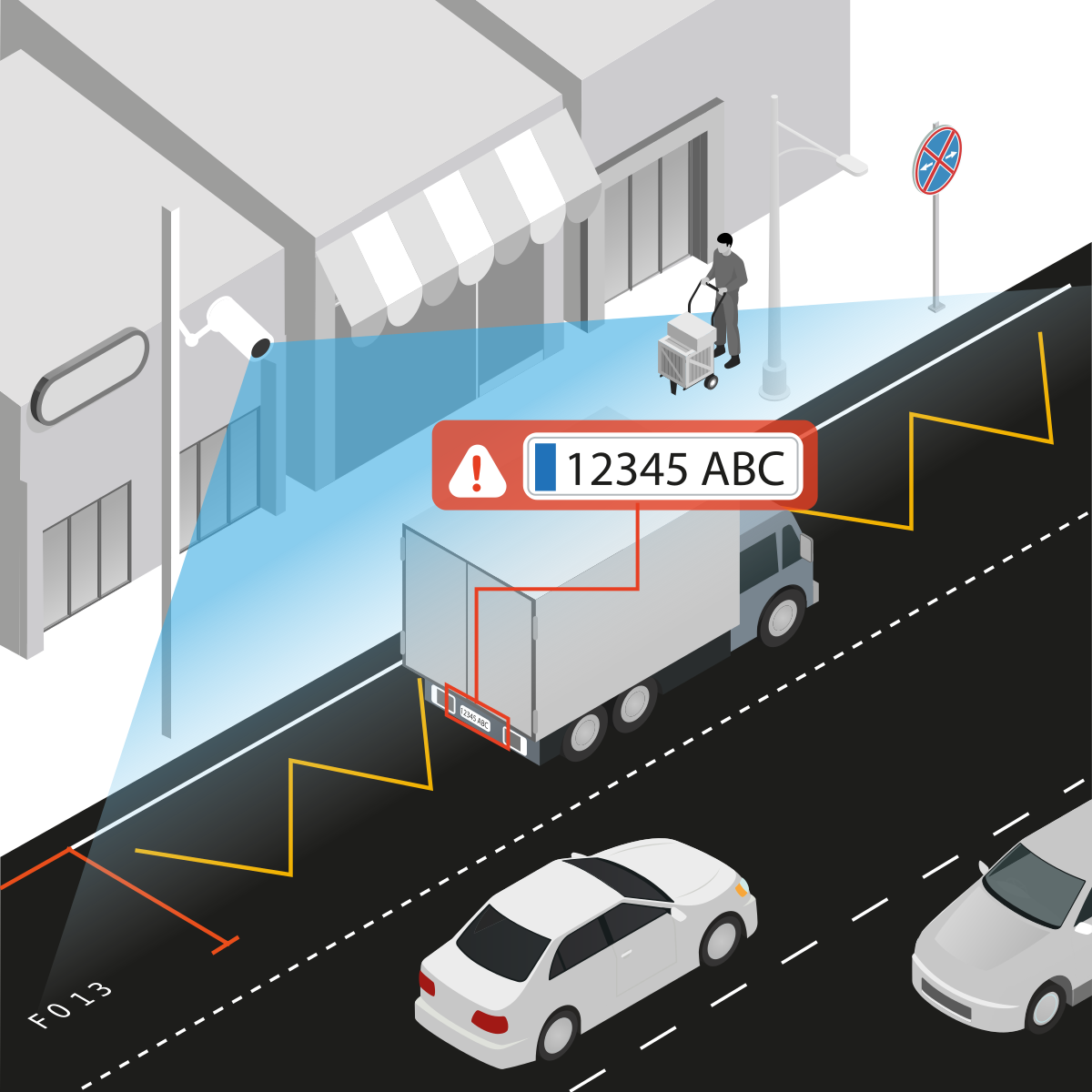
Fully automated pay-by-space enforcement with LPR-enabled cameras
Cameras automatically detect space occupancy and capture the vehicle’s license plate
The system checks payment status in real time against the ticketing system
If a violation is detected, evidence is automatically generated
The entire process runs without manual intervention
Result: a fully automated model that maximizes operational efficiency and ensures continuous, space-by-space enforcement.

Automated enforcement with real-time alerts for pay-by-space areas
IoT sensors or cameras detect occupancy of each parking space
The system matches occupancy data with payment information
If no valid ticket is found or time has expired, an alert is triggered
Enforcement officers receive real-time notifications and act only when needed
Result: a highly efficient model that reduces random patrols, optimizes enforcement costs, and increases revenue through higher compliance, enabling smarter, incident-based parking control.
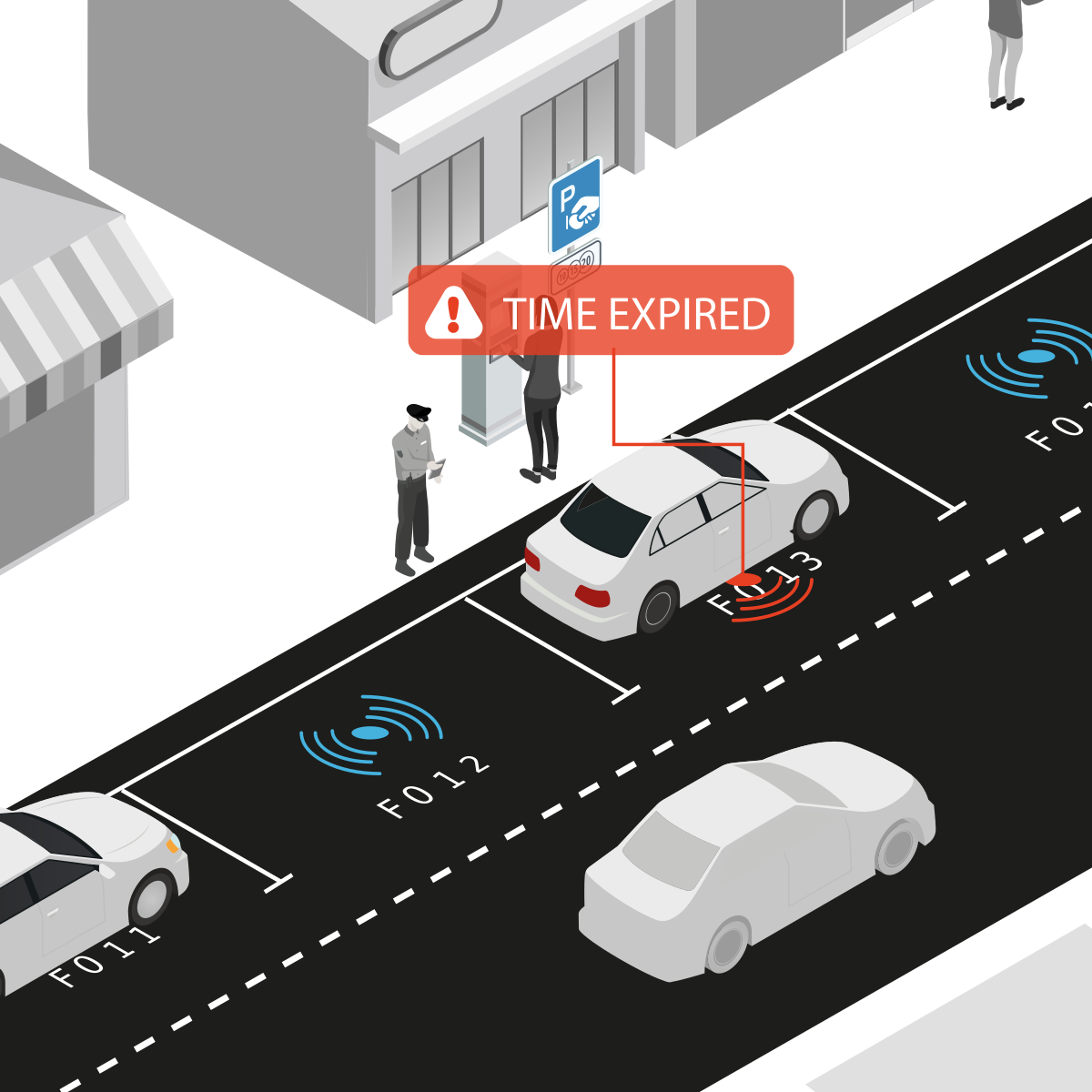
Enforcement with real-time alerts
Watch the video to see how the alert-based enforcement system works.

Explore available technologies and configure your pay-by-space solution.
Technologies

Why choose Urbiotica for pay-by-space enforcement?
Flexible automation levels
From alert-based models to fully automated LPR enforcement, the solution is configured based on your operational needs and resources.
Reliable evidence and legal robustness
Every violation is recorded with precise and verifiable data.
Proven experience in demanding environments
Over 16 years digitizing regulated parking across more than 50 countries.
Space-by-space validation
Independent monitoring of each parking space for maximum accuracy.
Data-driven management
Real-time insights to improve regulation and planning.
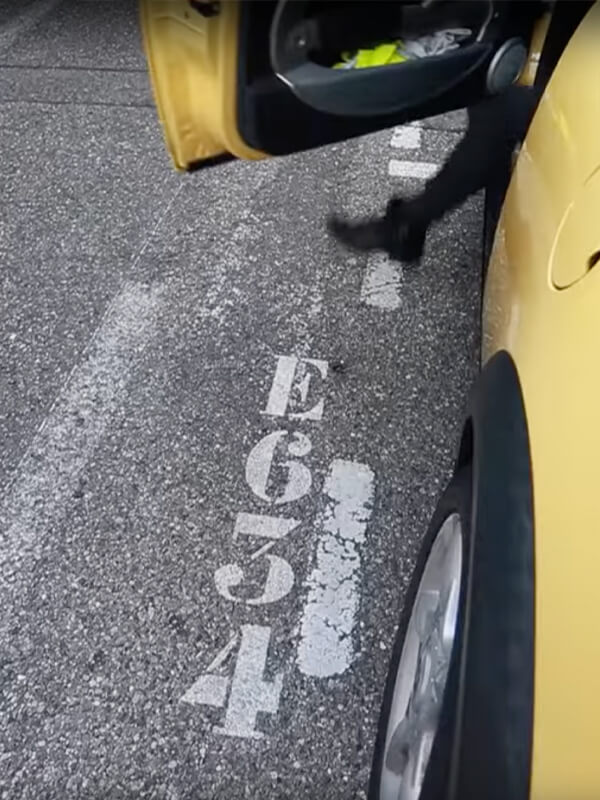
Projects that have trusted ParkCtrl
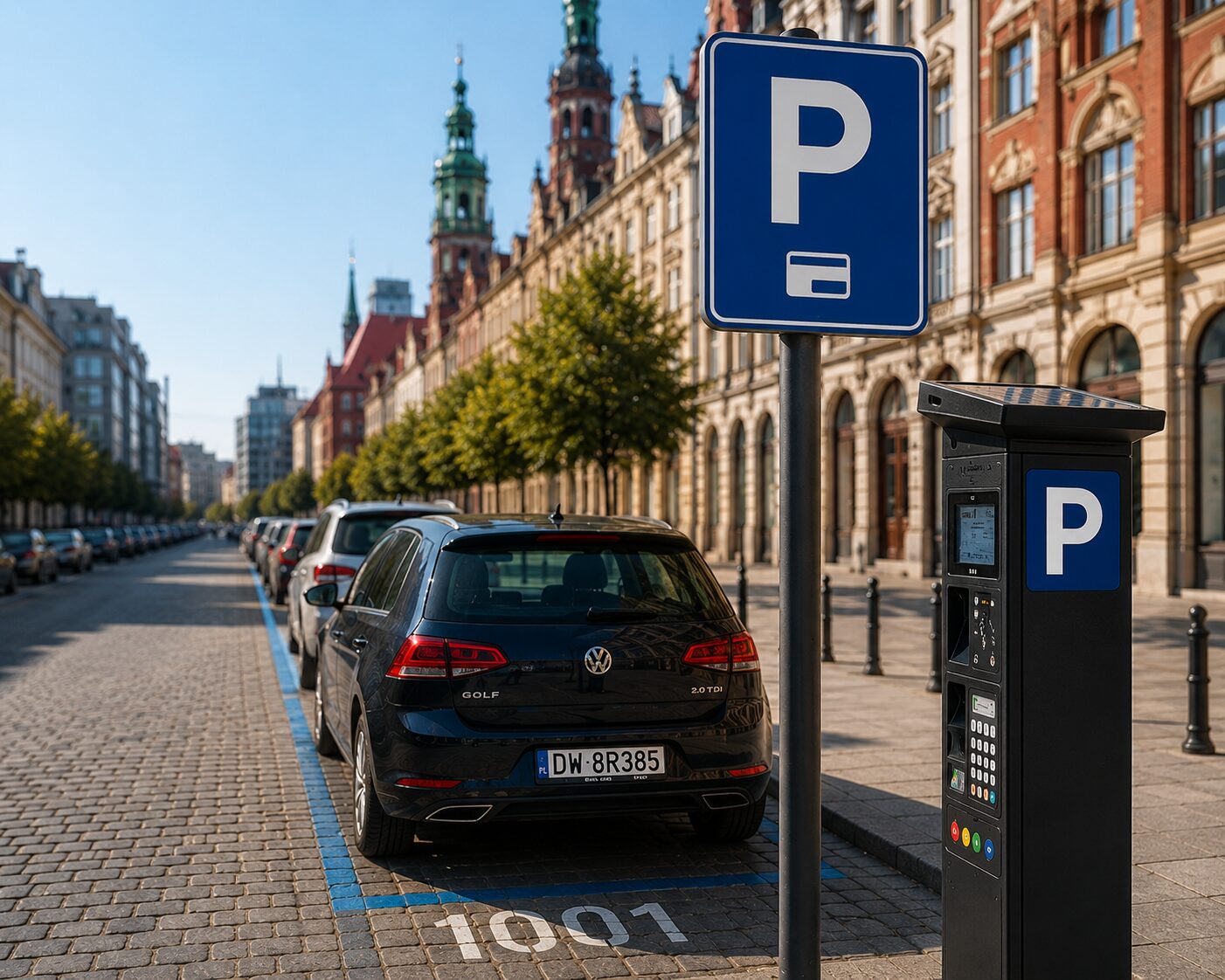
Poland’s first pay-by-space parking system, combining AI-powered cameras with parking meters to automatically validate parking payments based on the occupied space.

868 U-Spot sensors installed to improve monitoring and availability of parking in the city by integrating real-time alerts.

FAQs
Is it necessary to install sensors in every parking space?
In alert-based enforcement models, occupancy is detected using IoT sensors installed in each space or camera-based solutions, depending on the environment.
This data is matched in the platform with ticketing system information to identify potential violations.
In higher automation scenarios, camera-based solutions with license plate recognition (LPR) can be deployed, enabling automated detection and evidence generation without manual intervention.
Both options are compatible with existing payment systems.
Can it integrate with existing ticketing systems?
Yes. The solution integrates with existing payment systems by matching occupancy data with ticketing information in real time.
The platform is compatible with different parking meter providers and mobile payment applications, allowing validation of each space without replacing existing infrastructure.
Integration is done via APIs and open standards, ensuring a fast and scalable deployment.
How is enforcement legally supported?
Each violation is recorded with precise and verifiable data, including occupancy status, payment status, and, when applicable, photographic evidence linked to the license plate.
The system ensures full traceability of detection, validation, and violation recording, supporting consistent enforcement processes and providing solid documentation in case of disputes.
All generated information integrates with municipal systems, enabling processing in accordance with local regulations.
Is it necessary to have enforcement officers?
It depends on the selected automation level.
In alert-based models, officers intervene only when the system detects a violation, reducing random patrols and optimizing resources.
In fully automated LPR-based solutions, detection and evidence generation can be carried out without direct manual intervention, enabling automation of enforcement processes within the applicable regulatory framework.
The solution is flexible and adapts to each project’s operational and regulatory model.