ADA-Compliant Accessible Parking Enforcement in the United States
Ensure accessible (disabled) parking spaces are used only by authorized vehicles and in compliance with ADA regulations and local ordinances.


Built for compliance and fair access
Deploy the right enforcement model for your city or facility, from assisted verification to fully automated citation workflows, while improving availability and reducing misuse.
-
Enforce ADA-compliant use of accessible parking spaces
-
Prevent misuse and fraudulent use of disabled parking placards
-
Increase real availability for people with disabilities
-
Shift from random patrols to targeted, data-driven enforcement
-
Reduce operational enforcement costs
-
Improve the experience for disabled drivers
-
Support compliance with audit-ready, citation-grade evidence
-
Improve overall mobility by ensuring proper use of reserved spaces
How does accessible parking enforcement work?
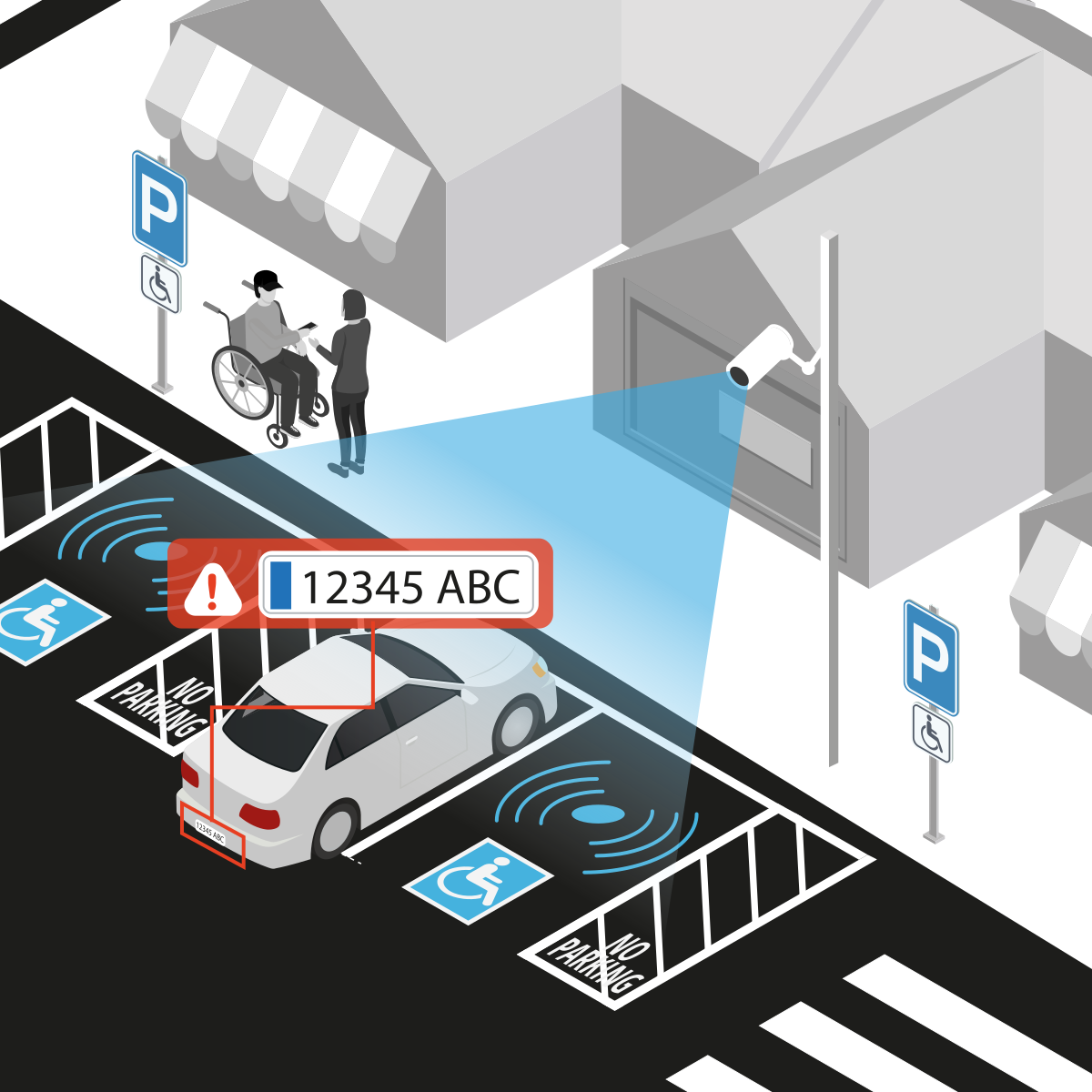
Fully automated ADA-compliante accesible parking enforcement with LPR cámaras
Cameras detect occupancy and capture license plates .
The system checks in real time whether the plate is associated with an authorized user (when a database is available)
If a violation is detected, the system generates citation-ready evidence
No manual intervention is required
Outcome: fully automated enforcement that improves compliance and maximizes efficiency

Automated accesible parking enforcement with real-time alerts
Sensors or cameras detect occupancy at each space
Drivers must have a valid permit and, where required, register usage via the ParkTime app
The system cross-checks occupancy with permit databases and active sessions
Violations—no permit, no registration, or non-compliant use—trigger real-time alerts
Officers are notified and respond only when needed
Outcome: targeted enforcement that improves efficiency and focuses resources on real violations
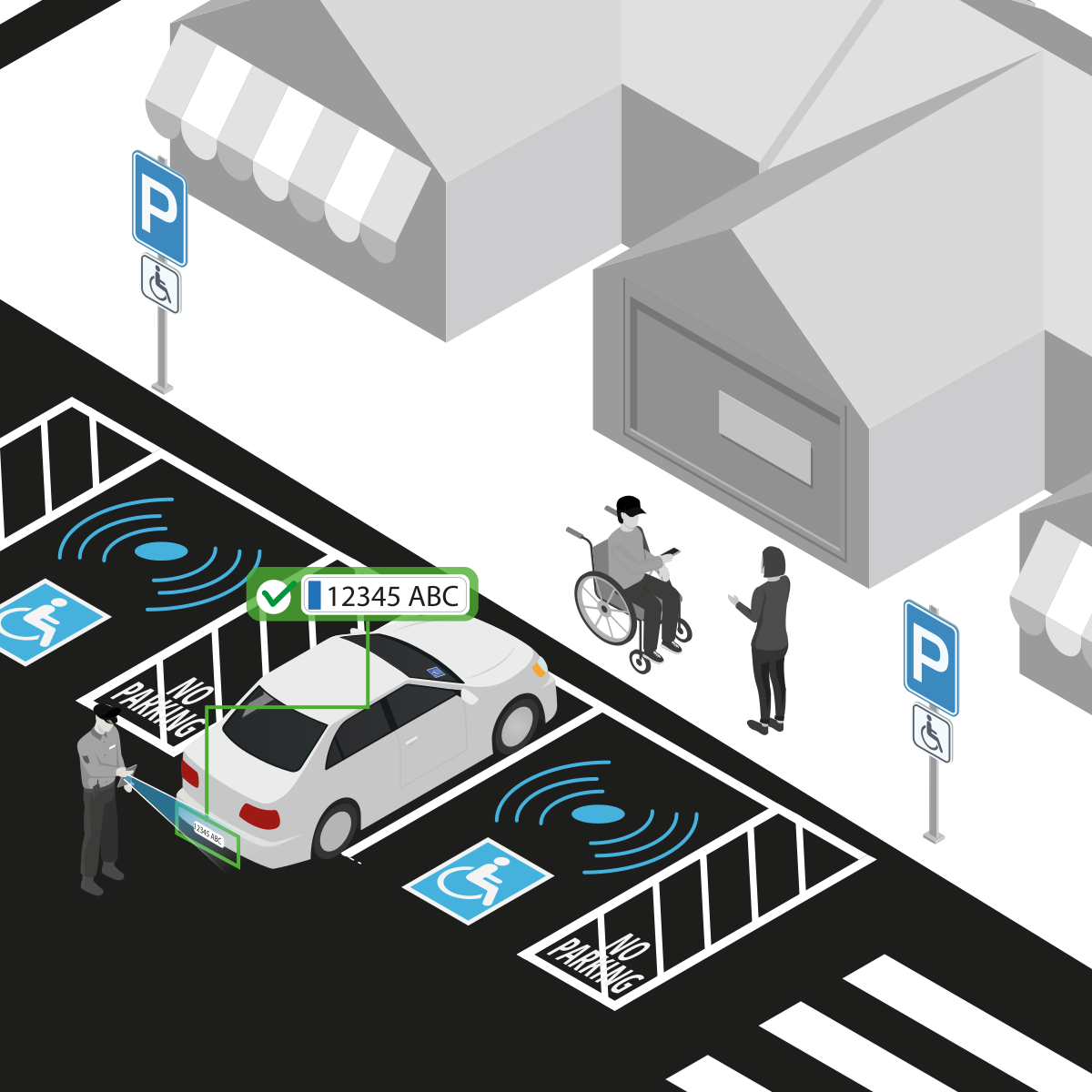
Accesible parking enforcement through assisted license plate or permit validation
Officers patrol as usual and scan license plates using the ParkCtrl App.
The system checks available authorization data in real time.
If no database is available, the officer can visually verify the disabled parking placard.
If a violation is identified, the system logs the incident and provides all required data to issue a citation.
Outcome: a flexible model that digitizes enforcement without requiring field infrastructure and adapts to different regulatory frameworks

Automated enforcement with alerts
Watch the video to see how real-time alert-based enforcement works.

Explore the available technologies and configure your enforcement model
Technologies

Why choose Urbiotica for accessible parking enforcement
Flexible deployment aligned with local ADA and enforcement requirements
Audit-ready evidence to support citation workflows and appeals
Proven performance in complex, high-demand environments
Single-space enforcement for precise control
Real-time insights to support policy, planning, and compliance
Projects that have trusted ParkCtrl
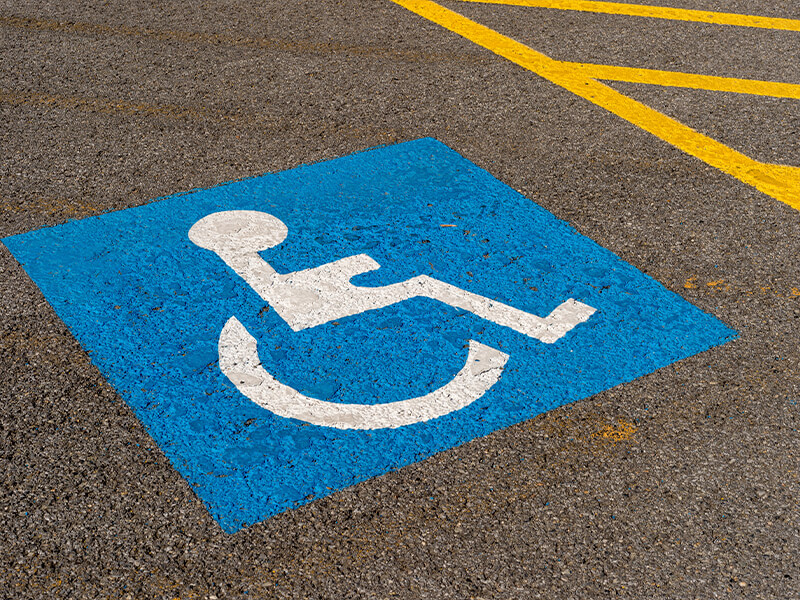
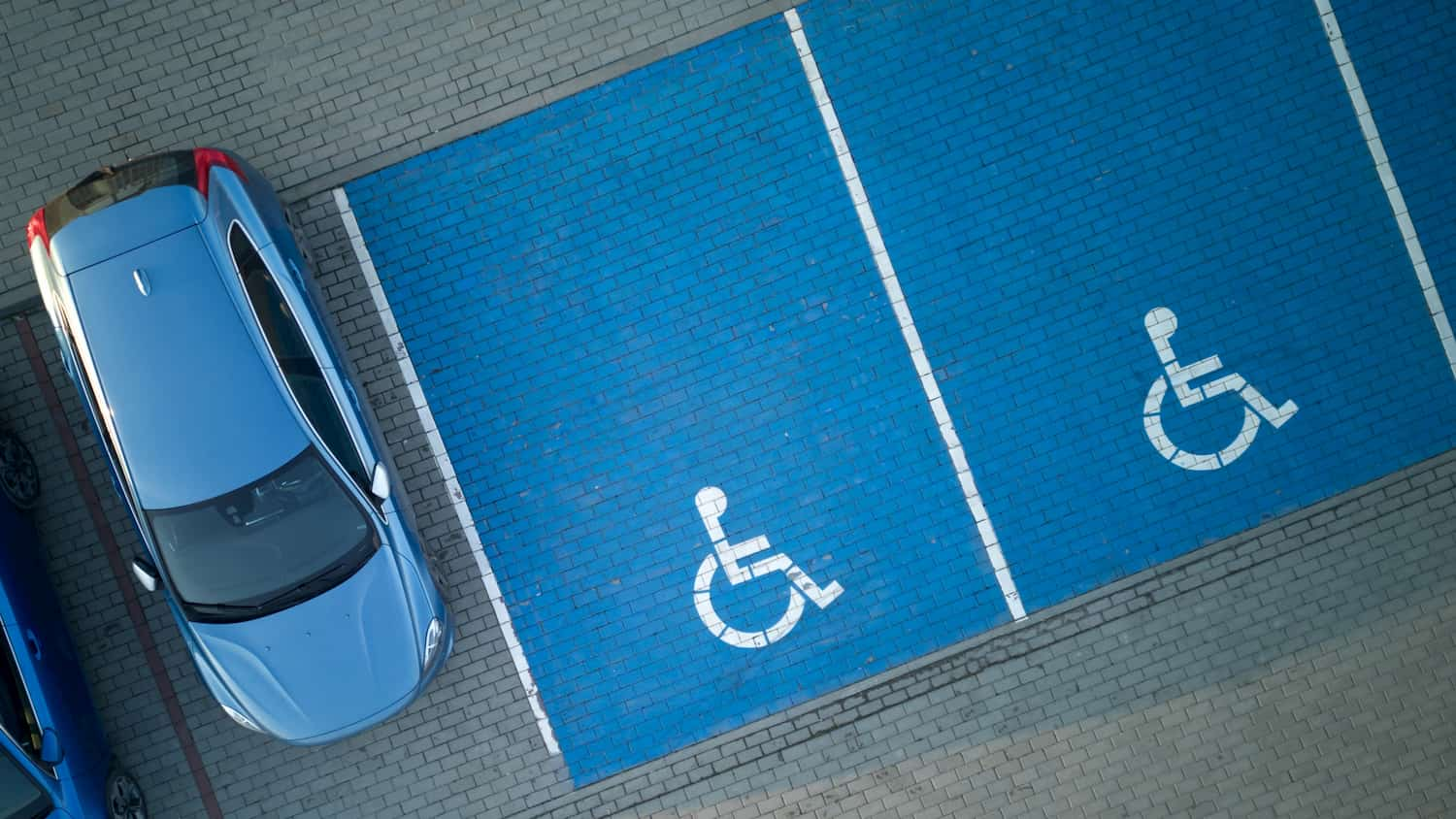
Installation of 1,600 U-Spot M2M sensors to exhaustively monitor reserved spots. This prevents unauthorized vehicles from parking there with real-time alerts, enhancing accessibility for PRM cardholders.
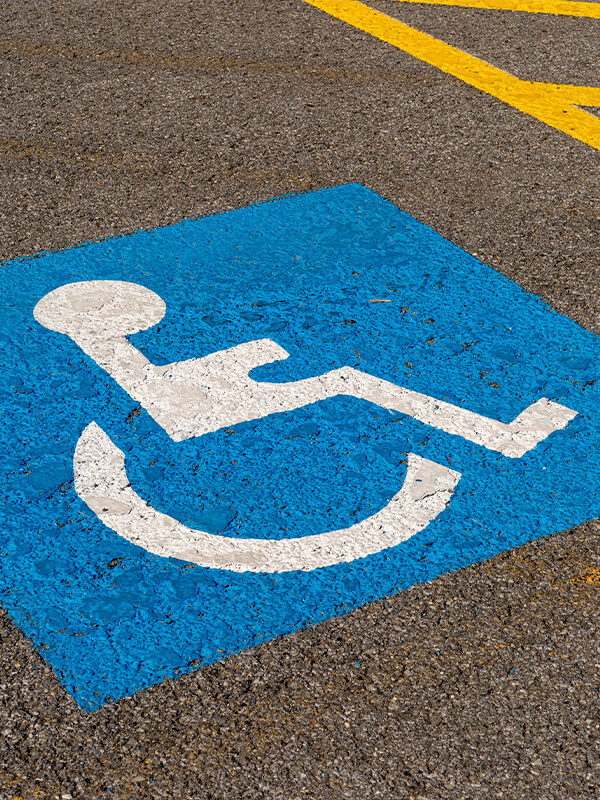
Digitalization of 353 ADA parking spaces using IoT sensors to monitor real usage and publish open data. This improves oversight, helps detect misuse, and enables data-driven management to optimize urban planning and accessibility.


FAQs
How does this improve compliance and accessibility?
By ensuring accessible spaces are used correctly, the solution increases availability for drivers who need them.
Consistent enforcement reduces misuse and encourages compliance over time.
This leads to fewer violations, improved access, and better mobility outcomes.
Do you need sensors in every space?
No. Occupancy can be detected via sensors or camera-based solutions.
Assisted models allow officers to enforce rules without installing infrastructure.
How do you verify if a vehicle is authorized?
The system checks plate data against available authorization databases.
Where databases are not available, officers can verify permits visually and record the validation.
What if there is no authorized vehicle database?
The system still works through officer-led validation.
Officers verify permits in the field and log incidents digitally, ensuring traceability.
How is citation validity ensured?
Each incident is recorded with detailed, verifiable data, including occupancy, authorization checks, and photographic evidence.
The system maintains full traceability to support citation processing and appeals.
Are enforcement officers required?
It depends on the deployment model:
- Assisted → officer-led validation
- Alert-based → officers intervene only when needed
- Fully automated → detection and evidence generation without manual intervention
The solution adapts to each operational model.