Smart technology transforming urban mobility

Technology at the service of the city
Fastprk
Guidance solutions for cities
 Solutions
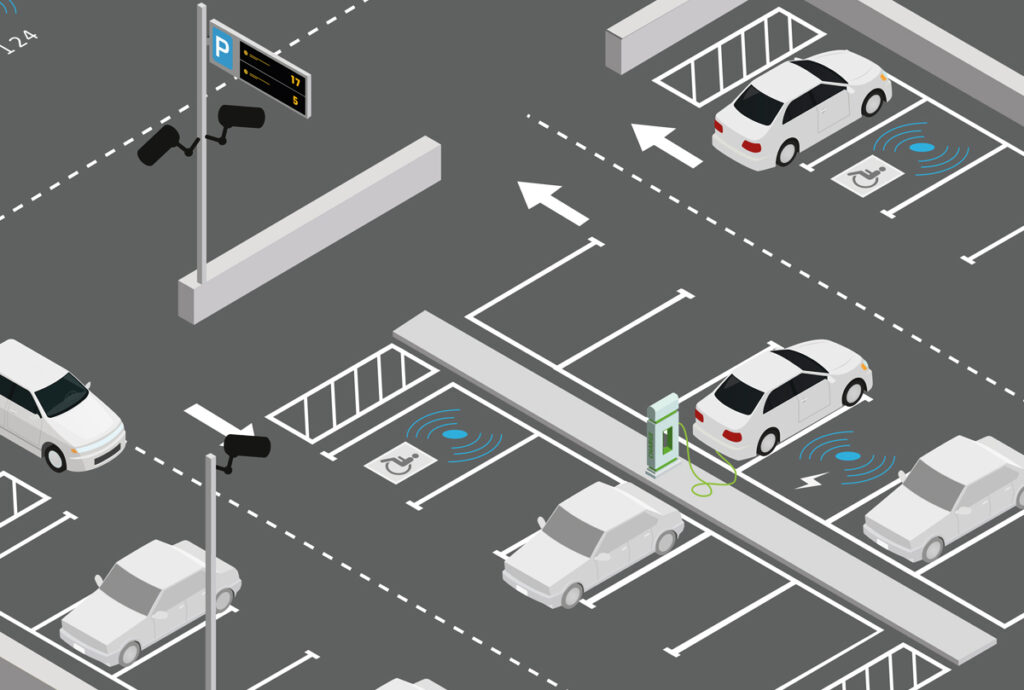
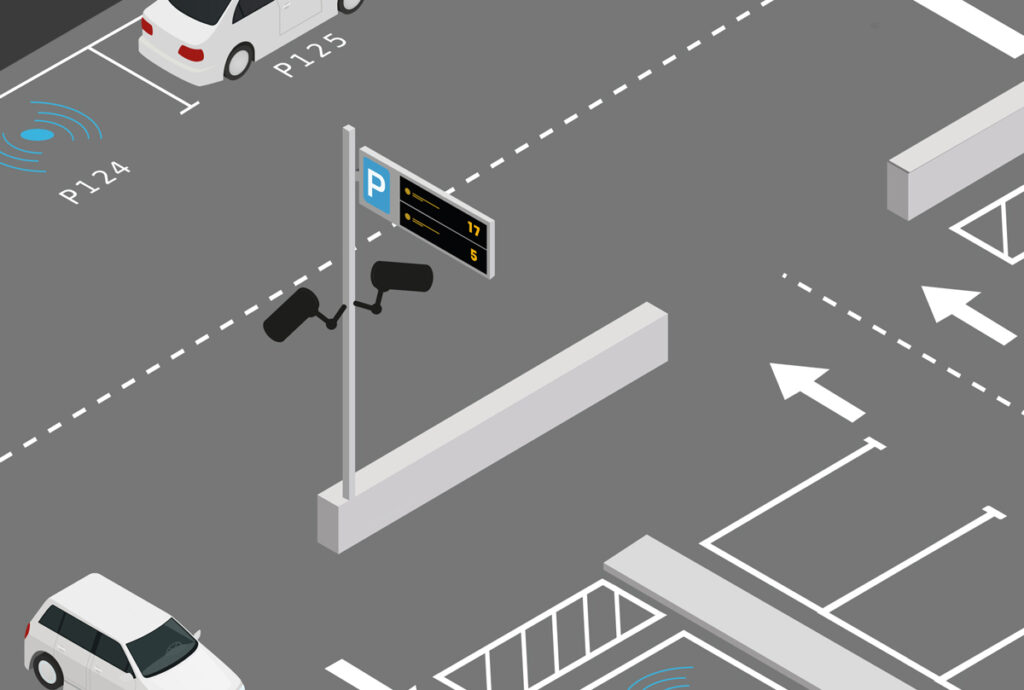
Urban parking guidance
More informationStreamlines city mobility by directing drivers to available spaces in real time, reducing search time and traffic congestion.
- Solutions
Park&Ride
More informationWe facilitate the use of park-and-ride lots at city access points by providing real-time information on the availability of parking spaces. This encourages the use of these parking lots by allowing drivers to better plan their route and park more quickly.
 Solutions
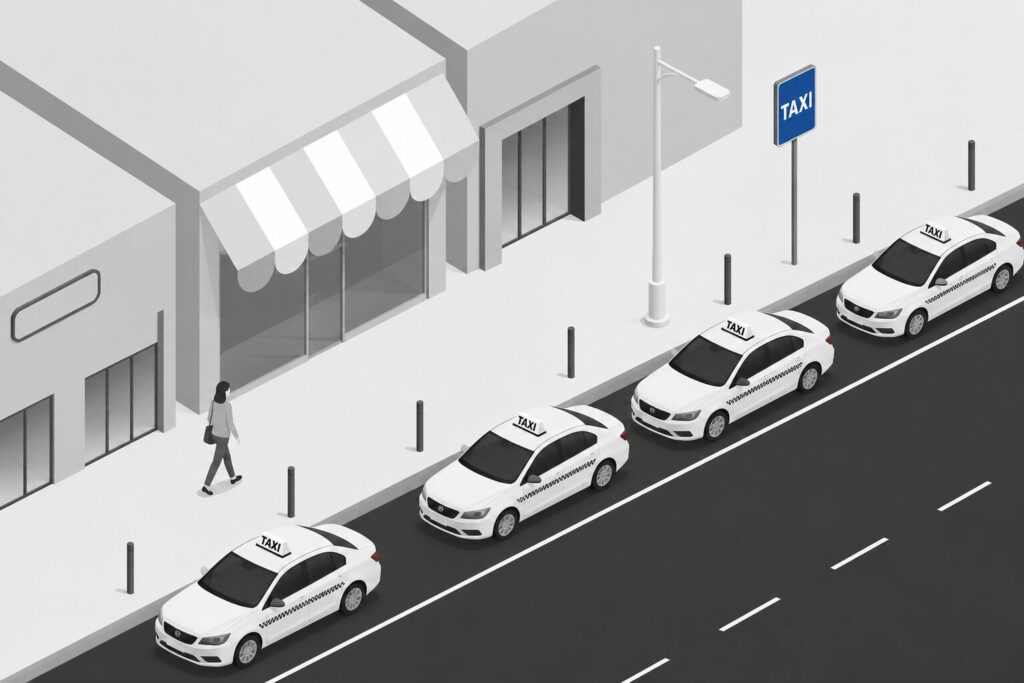
Paradas de taxi
Más informaciónObtén visibilidad sobre el uso y ocupación de las paradas de taxi. Optimiza su gestión, informa a los taxistas sobre la ocupación de las paradas en tiempo real y facilita decisiones basadas en datos para mejorar la experiencia del servicio.
- Solutions
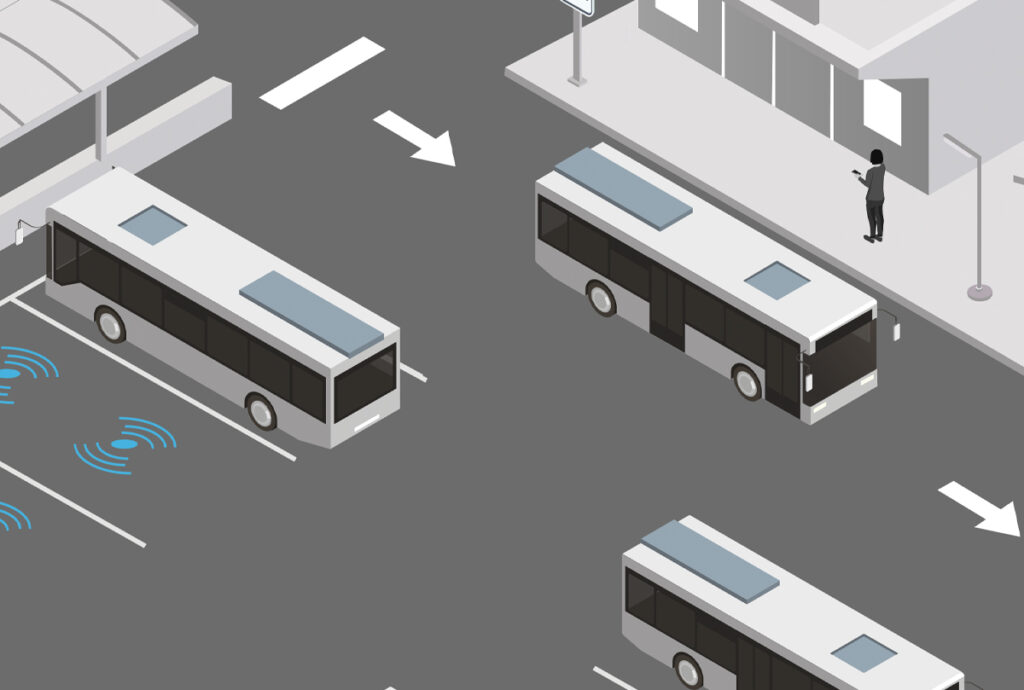
Tourist buses
More informationGuides tourist buses to available parking areas in real time, reducing search time and unnecessary maneuvers in city centers. It helps prevent congestion in sensitive zones and improves traffic flow in popular tourist areas.
Parkctrl
Control solutions for cities
- Solutions
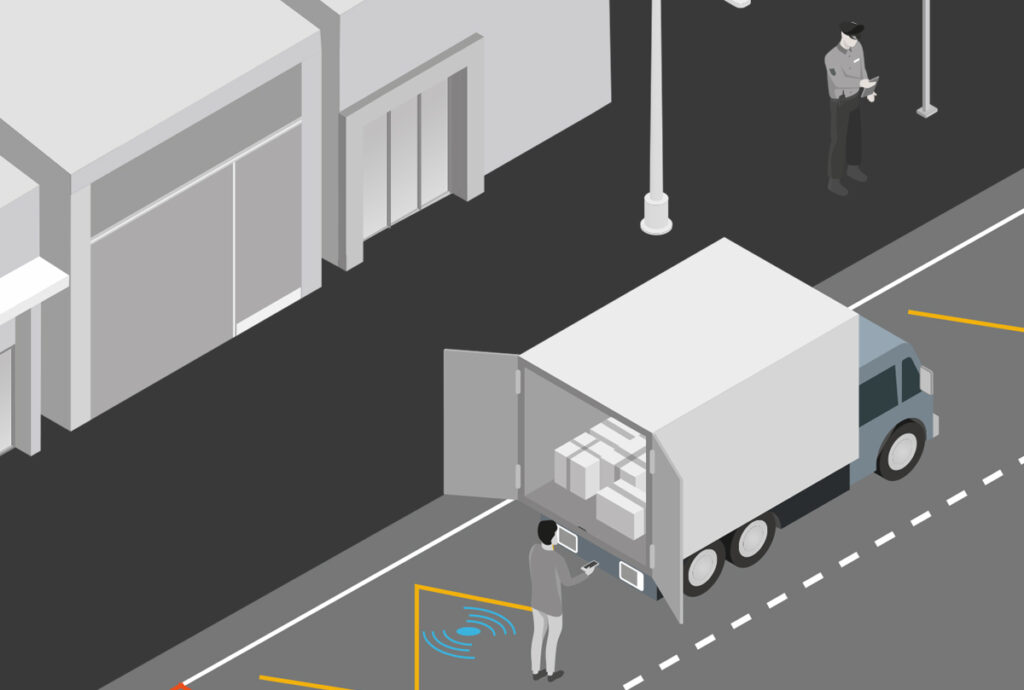
Loading zones
More informationEnsure the proper use of loading zones, improve urban logistics operations, prevent unauthorized parking, and increase vehicle turnover.
- Solutions
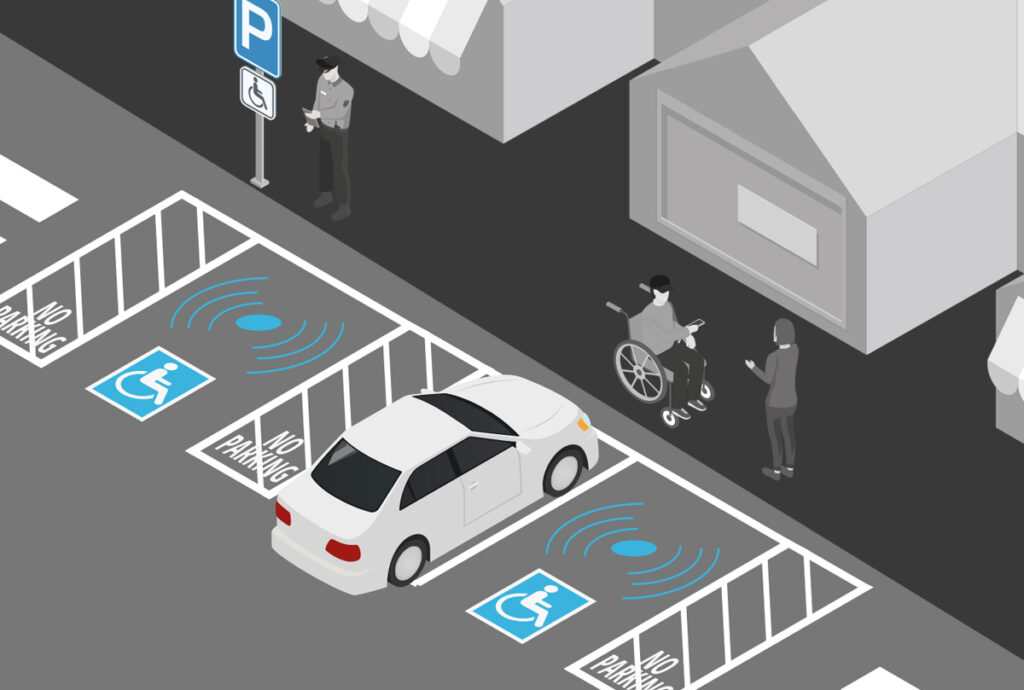
ADA- Accessible Parking
More informationEnsure accessible parking spaces are used only by authorized vehicles and in compliance with local regulations.
- Solutions
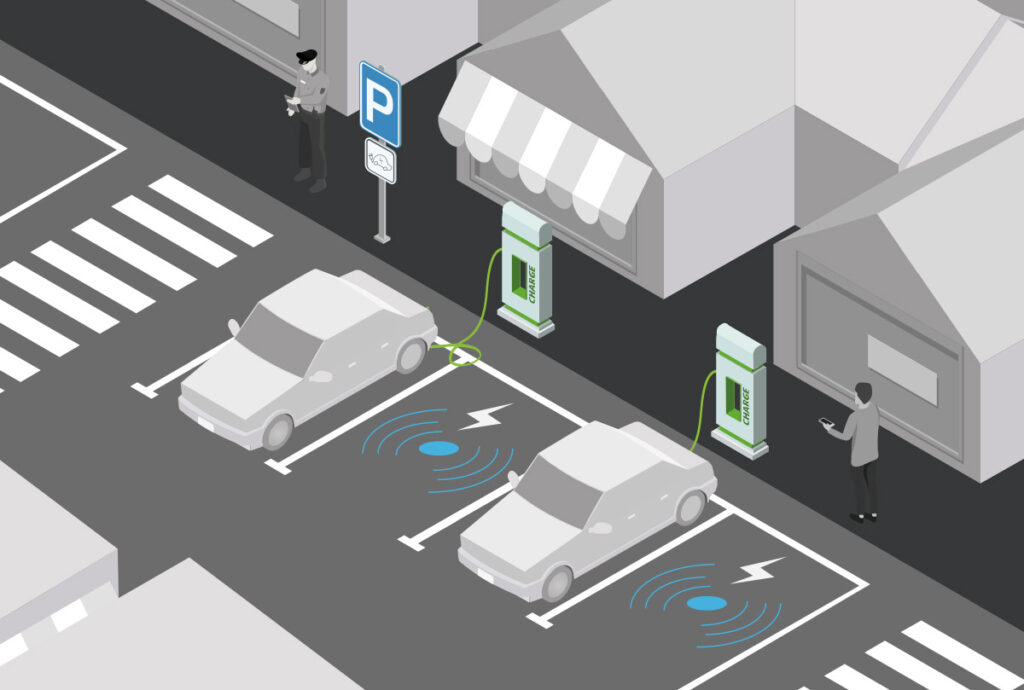
EV charging spaces
More informationEnsure EV charging spots are used within allowed time limits, improving charger availability and maximizing utilization.
- Solutions
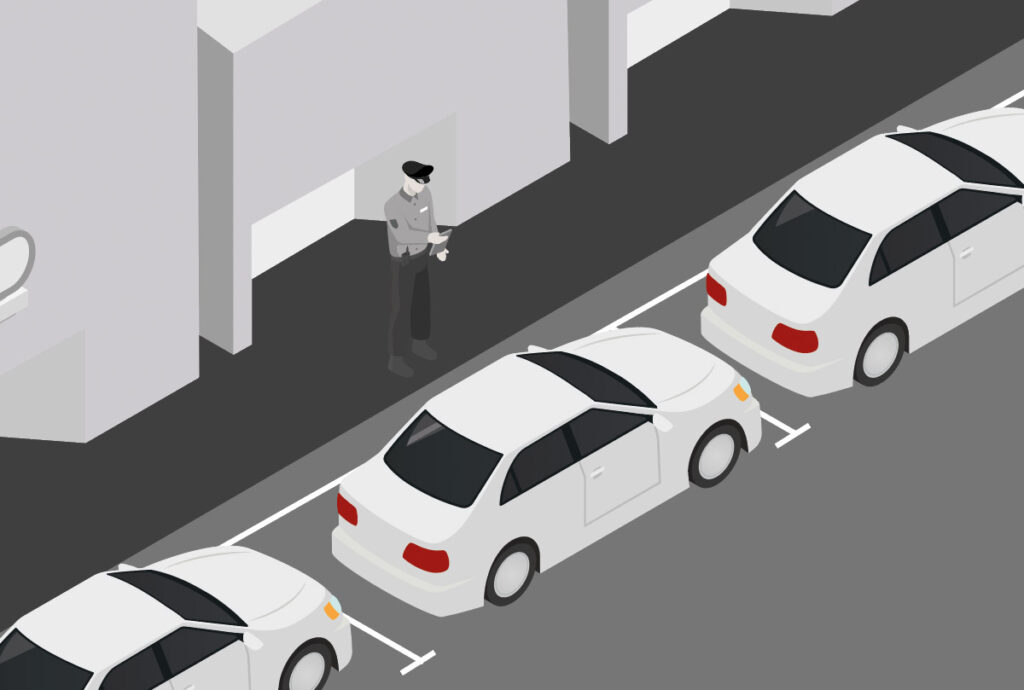
Free time-limited parking
More informationImprove compliance in free parking zones by enforcing time limits, increasing turnover, and maximizing space availability.
- Solutions
Pay-to-Park zones
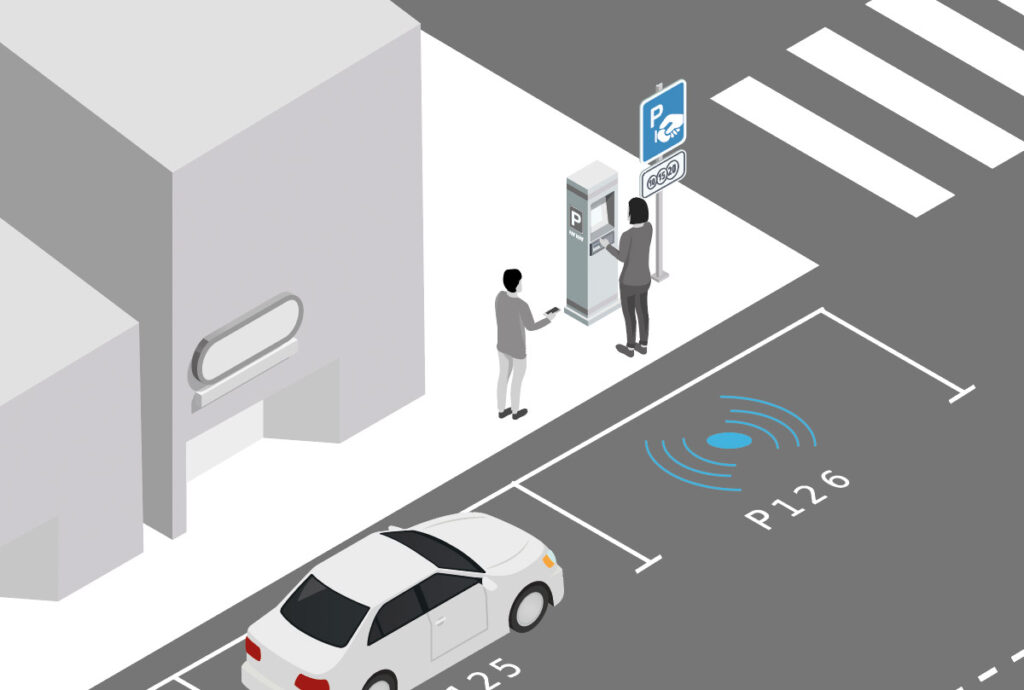
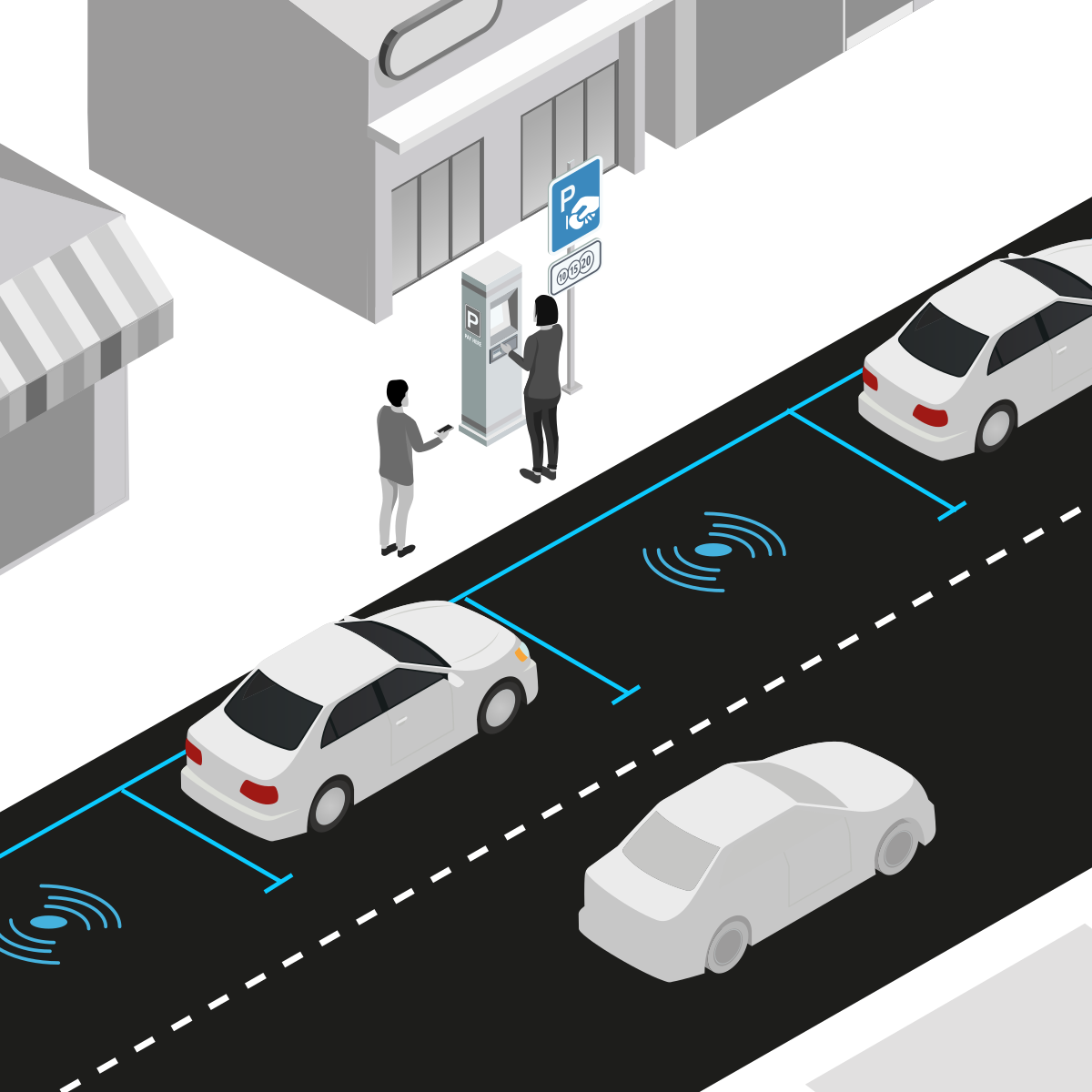
More informationImprove compliance in regulated parking areas by monitoring each occupied space, increasing efficiency and maximizing availability.
 Solutions
Pay-by-plate
More informationEnsure compliance with parking regulations by validating the payment session linked to the vehicle’s license plate, with different levels of automation based on operational needs.
FAQs
Can guidance and enforcement solutions be combined in the same urban area?
Absolutely. Guidance and enforcement systems are designed to work hand in hand. For example, drivers can be guided to an available parking space and, once occupied, the system automatically applies and monitors control rules—such as time limits, user type, or payment—in real time through the Smart Parking platform.
What are the advantages of automated control over traditional patrolling?
Automated parking enforcement gives cities and operators real-time visibility into parking activity while allowing them to scale enforcement from officer-assisted workflows to fully automated operations.
At the first level, enforcement officers use mobile devices to scan license plates and verify compliance during their regular patrols. This digitizes enforcement without requiring curbside infrastructure.
At the next level, the system automatically detects potential violations and generates alerts based on parking activity, directing officers only where action is needed and eliminating inefficient random patrols.
In more advanced deployments, LPR camera technology can automatically identify vehicles, generate evidence, and detect violations without manual intervention. Depending on local regulations and operational models, the system can also support automated citation workflows while integrating with existing parking operations.
Compared to traditional patrol-based enforcement, this approach improves operational efficiency, optimizes staffing resources, increases compliance, and delivers reliable parking data to support smarter city management decisions.
How can intelligent guidance improve mobility in historic city centers?
Historic city centers often have limited parking availability, narrow streets, and heavy traffic demand. Urbiotica’s smart parking guidance system provides real-time information before drivers enter these areas, directing them straight to the nearest available spaces.
By preventing unnecessary circulation, it reduces congestion, improves mobility, and helps preserve both the urban environment and the city’s historic heritage.
What types of solutions are most effective for managing parking in coastal areas?
In coastal cities and other high-tourism environments where parking demand increases seasonally, combining smart parking guidance with digital enforcement solutions is one of the most effective ways to manage parking efficiently.
Parking guidance systems help drivers find available parking spaces in real time, reducing congestion caused by vehicles circulating in search of parking and improving the overall driver experience in crowded areas.
At the same time, digital enforcement solutions help cities manage regulated parking spaces — including time-limited, permit-based, or paid parking — through different automation levels, from officer-assisted validation to fully automated violation detection and evidence generation.
This combination improves turnover, increases compliance, reduces parking violations, and helps cities manage public space more efficiently during periods of high demand.
How do LPR technologies improve urban parking enforcement?
License Plate Recognition (LPR) technologies help cities modernize parking enforcement by replacing manual supervision with digital systems capable of identifying vehicles and validating parking activity in real time.
By using license plate recognition, cities and operators can deploy more advanced parking management models, including permit validation, pay-by-plate parking enforcement, and access control for regulated or restricted areas.
In camera-based deployments, the system can also automatically generate violation evidence and, depending on local regulations, support automated enforcement and citation workflows without requiring manual intervention.
This improves compliance, increases enforcement efficiency, and provides cities with more accurate parking data to better manage curb space and public infrastructure.