The high variability in occupancy caused by irregular class schedules and the diversity of users, among other factors, leads to occasional excess demand in the university campus parking lot, as well as underutilization of available spaces, which can even affect the campus’s reputation. Thanks to a smart parking system, it is possible to monitor occupancy in real time and apply predictive models.
The nature of the problem on college campuses
Activity on college campuses is not constant; the demand for parking varies considerably depending on the day of the week and even at what point in the academic year we are. This variability causes three problems: occasional excess demand during certain time slots, underutilization, and a lack of real-time visibility into occupancy.
1. Predictable demand spikes
Generally, predictable spikes in demand occur during exam periods, the start of the school year, or scheduled conferences. When these events take place, the number of vehicles arriving is higher than usual, which can overwhelm the parking lot at certain times of the day.
2. Variability in class schedules
In addition to the previous point, class schedules are not uniform; they are not evenly distributed throughout the day. This results in a constant alternation between periods of high occupancy and those with lower demand, making it difficult to manage available resources in advance.
3. User diversity
Students, faculty, administrative staff, researchers, visitors, and vendors all share the same university campus. Each of these groups has different mobility patterns, which increase the complexity of parking management.
4. Structural limitations of the space
The ability to expand a university campus’s infrastructure is often constrained by physical and budgetary limitations, meaning that in many cases, such expansion is limited or impossible. However, the demand for student spots is unstable and depends on the institution’s own growth.
5. User experience
The difficulty in finding parking affects travel times and users’ perception of the campus. It is important not to make the mistake of thinking that traffic congestion only affects operations; the university campus’s reputation is also at stake.
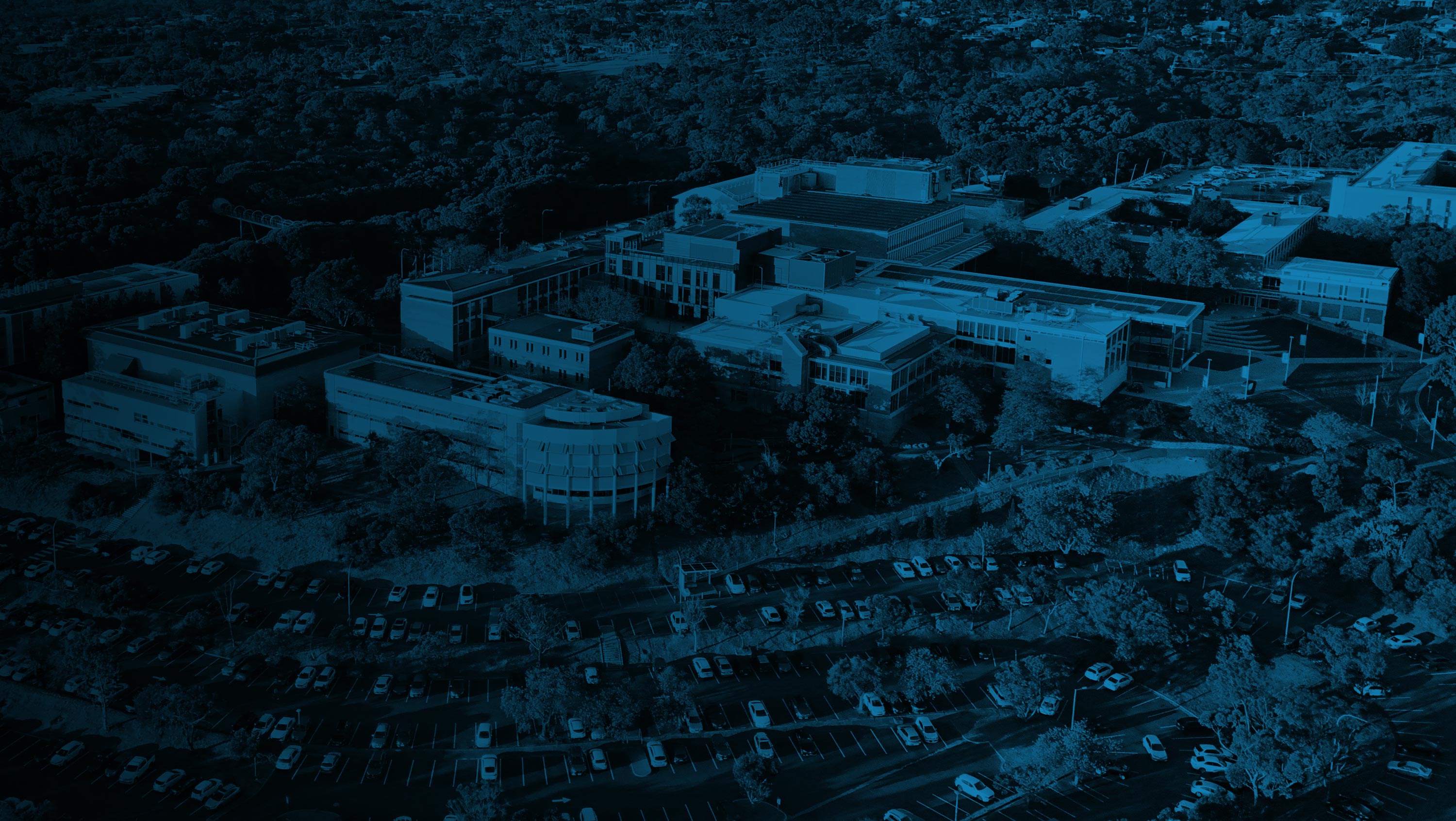
Smart Parking for more accessible, organized and sustainable universities
Architecture of a intelligent system
1. Sensor layer
This layer uses technology to provide real-time information on which parking spaces are occupied and which are available. In addition, it incorporates access control systems that cross-reference the captured information with databases of authorized users (whitelists) or restricted users (blacklists), facilitating the automation of access permissions. This information forms the foundation of the entire smart parking system.
2. Connectivity layer
The information captured by the detection devices is transmitted to the central systems via various communication networks and technologies, including LoRaWAN and NB-IoT networks, which enable data transmission with low power consumption. This layer ensures that data is transmitted continuously and maintains low latency.
3. Data processing layer
Here, the collected data is stored and processed to turn it into useful information for parking management. Automatic rules are applied to help manage parking space allocation based on demand; for example, they can prioritize certain users over others or activate additional zones during peak occupancy times. It also detects usage patterns.
This layer integrates systems such as dynamic signage panels for intelligent guidance, which direct drivers to available parking spaces.
4. Intelligence layer
At this layer, decisions are made based on the data processed in the previous layer. This includes predictive models to forecast demand based on various variables, as well as algorithms that optimize seat allocation in real time, taking into account user type and availability. In addition, there are recommendation systems that guide users.
Design of Smart Parking zones
1. Functional segmentation
To make it easier to manage, the university campus parking lot can be divided into different zones, each of which is then assigned a specific function.
| Zone A: Priority | Reserved for teachers and administrative staff. Located, if possible, near the main buildings to facilitate access. |
| Zone B: General Use | Intended for students and researchers. Its use can be organized by schedule or entry time slots to balance occupancy throughout the day. |
| Zone C: Visitors | Intended for external parties: visitors, speakers, vendors, etc. This can be a flexible arrangement based on actual availability. |
| Zone D: Contingency | Activated during periods of high demand, when the other zones are about to reach capacity. It absorbs occupancy spikes without overloading the system. |
2. Adaptive dynamic zones
Unlike traditional static models, zones in a smart system can change according to the campus’s needs. They adjust automatically based on parking usage history, scheduled events on campus, and occupancy forecasts for the coming hours or days. Changes can be made in real time, so there is no need to rely on advance planning.
Advanced analytics and predictive models
When we talk about the ability to anticipate demand, we’re not just referring to knowing how many available spots there are at that exact moment, but to predicting what will happen in the future so we can make better decisions.
1. Data used by the system
For predictions, information related to the academic calendar—such as the start of the school year, exam dates, class schedules, occupancy history, and events scheduled during the school year—can be taken into account. In addition, factors such as weather conditions are considered. The more information that is incorporated, the greater the system’s ability to anticipate.
2. How predictions are made
The system uses artificial intelligence to analyze data and track how it changes over time. Machine learning algorithms identify recurring behaviors to detect potential patterns and combine various models to ensure accurate results. This allows the system to better adapt to different scenarios and reduces the margin of error.
3. Anticipating peaks in demand
Thanks to historical models, the system can anticipate occupancy demand; for example, it can detect that during vehicle registration periods, the number of arriving vehicles could increase by 30% to 60%, while during events held on campus, congestion may occur at specific times of the day.
4. Real-time optimization
As we mentioned earlier, in addition to making predictions, the system can take real-time action to improve the parking situation on the university campus: reassigning parking spaces based on demand, redistributing incoming traffic flows to prevent congestion, etc. The system is capable of continuously adapting.
Data security with the intelligent system
In smart parking systems such as those developed by Urbiotica, data processing is much simpler because no personal data about drivers is stored and there is no license plate recognition. It is limited to detecting the occupancy of parking spaces, as well as vehicles entering and exiting the parking lot at the access points, if configured to do so.
Step-by-Step Implementation at Universities
Phase 1: Diagnosis
The first step is to understand how the university campus parking lot is currently used. By understanding the campus’s actual needs and the existing infrastructure—even in the absence of historical occupancy data—it is possible to identify the main problems that need to be addressed in order to select the most appropriate IoT technology for each situation.
Phase 2: Digitization
Once the starting point has been established, the selected devices are integrated—ranging from sensors installed at each parking space to detect occupancy to more comprehensive systems with machine vision cameras. The system is also connected to the campus’s existing systems, creating a central platform from which parking will be managed.
There is no requirement to implement the smart parking system all at once across the entire university campus; it can be done in phases without any problem. Ideally, we should start with the areas where the highest activity has been detected or with key buildings. This pilot program allows us to stabilize mobility on campus while identifying needs that had not been taken into account.
Phase 3: Prediction
Using the first available data, models are developed to predict campus parking demand. These models are trained using the historical data they collect, automatically adjusting to internal and external factors that arise in the designated area to continuously refine the accuracy of the results.
Phase 4: Continuous improvement
Since intelligent models continue to be updated once they are up and running, this is not a static solution. Management evolves based on the actual behavior of the parking lot. The campus’s needs may change during the academic year or from one year to the next, so it is essential to have this continuous learning process in place.

Marketing and Communications Manager at Urbiotica
Leads Urbiotica’s marketing and communications area, driving brand visibility and the international growth of its smart parking and sustainable mobility solutions. She designs and implements strategies that generate qualified demand and support the partner network in more than 50 countries. Her work focuses on translating the company’s technological innovations into clear and relevant messages for public administrations, integrators, and private companies, positioning Urbiotica as a global benchmark in smart cities.