The problems arising from the coexistence of multiple groups in university parking lots are often immediately attributed to a lack of available spaces, when in the vast majority of cases the real cause is a lack of visibility into how those spaces are being used. By combining IoT technologies and advanced analytics, university campuses are able to gain a clear understanding of demand, identifying patterns of congestion and underutilized spaces.
How to Manage Shared Parking Spaces, Electric Charging Stations, and Different User Groups Using Advanced Analytics
University campuses are home to thousands of students, faculty, researchers, administrative staff, vendors, and visitors. The infrastructure they share is already limited, especially parking, and this is compounded by the shift toward electric vehicles.
Among the various groups that use the parking lot, we must also take into account the charging stations for electric vehicles installed as part of their sustainability strategies. In fact, in this context, the occupation of spaces designated for these types of vehicles by other vehicles that are not charging has become a common problem lately. The data suggests that these vehicles account for about 23% of the total; in other words, nearly 1 in 4 are using a resource they don’t need and depriving those who do of it.
Since the number of spots available at universities is limited, this behavior causes conflicts among users and makes it difficult to meet the sustainable mobility goals established on campus. Nor is the investment made being put to proper use. The good news is that this is a problem that can be easily solved through data-driven management.
The real problem: a shortage of spots or a lack of information?
When complaints arise regarding parking management, there is a tendency to propose expanding the parking lot without considering whether it is actually necessary. In many cases, the number of parking spaces isn’t the problem, but rather the lack of information about how they’re being used: what the actual occupancy rate is in each zone, who uses them, at what times, for how long, which spaces have the lowest turnover, where there are the most violations, etc.
Making decisions based on perceptions or internal pressures leads nowhere; it is essential to rely on objective evidence, and the digitization of parking makes it easier to turn these unknowns into measurable indicators.
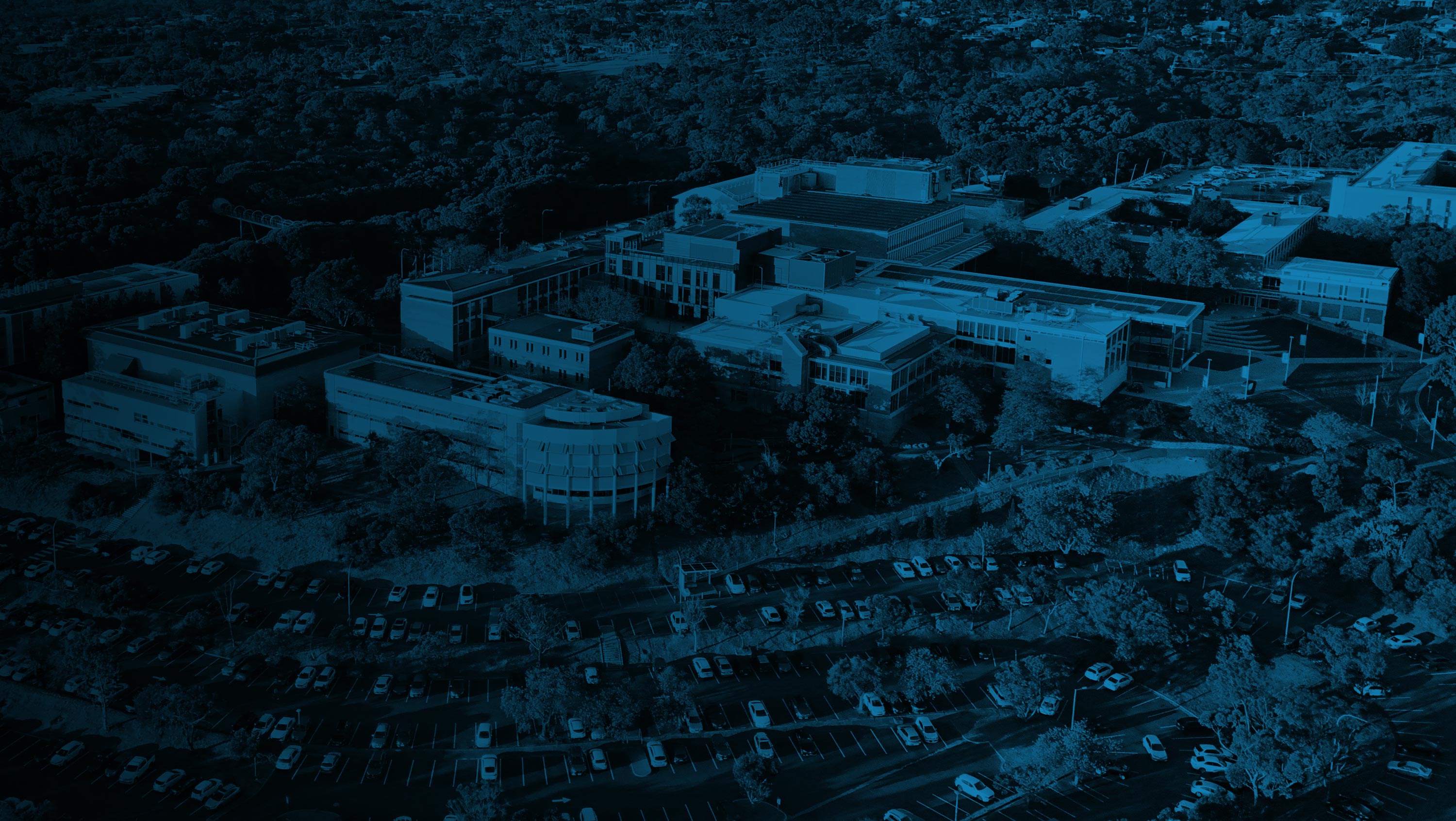
Smart Parking for more accessible, organized and sustainable universities
What data does a university need to properly manage its parking?
Occupancy data
Occupancy is the most basic indicator. The IoT detection devices integrated into the system make it possible to detect the start and end of occupancy, the total time spent in the space, the occupancy level by zone, and to review historical data. Thanks to these devices, it is possible to know how many spaces are occupied, as well as when and for how long.
For example, an average daily occupancy rate of 50% might suggest that there are enough seats to meet demand, whereas an hourly analysis might reveal that occupancy reaches 100% at certain times. Without a temporal and spatial analysis, these imbalances remain hidden behind the overall averages.
2. Turnover Data
Turnover measures how many different vehicles use a parking space over a given period; from an operational perspective, each space must be able to accommodate multiple users. In certain settings, between 10 and 30 turnovers are recorded daily.
Occupancy data makes it possible to identify which spaces are underutilized, whether any are being monopolized by prolonged stays, which areas are in highest demand, and to determine whether it is necessary to reallocate resources or modify usage policies. Furthermore, it helps establish time limits that are tailored to the realities of the campus.
3. Regulatory Compliance
A parking space may be occupied or used improperly, so it is very important to be able to tell the difference. With a smart monitoring system, it is possible to see if any vehicle has exceeded the allowed time, if the space has been occupied by unauthorized users, or if it is a space reserved for other uses, such as electric vehicle charging stations. The data collected directly impacts the coexistence of different groups on the university campus.
The New Challenge: Parking Spaces with Electric Charging Stations
Universities have already begun setting aside spaces equipped with chargers so that the various groups that use this mode of transportation can recharge their vehicles during their visit; however, as we mentioned earlier, simply detecting that a space is occupied is not enough to ensure proper use. To verify that users are using the charger properly, two sources of information are combined: occupancy data and charger data.
| Occupancy Data | This information is provided by sensors installed at each parking space and indicates whether a vehicle is present, as well as when it arrives and when it leaves the space. |
| Charger Specifications | This data is obtained through the charging infrastructure and provides information on the status of the charging station, the start and end of the charging session, the power supplied, and the duration of use. |
The logic is relatively simple. If a sensor detects a parked vehicle and, after a certain period of time, the charger remains inactive, an incident is generated. This mechanism makes it possible to distinguish between users who are currently charging, reasonable delays, and unauthorized occupancy. This is automatic monitoring that does not require constant on-site inspections.
It is important to remember that not all incidents have the same impact; improperly occupying a parking space for five minutes is not the same as doing so for an hour, which is why it is important to measure the duration of the violation in question.
From Reactive Control to Predictive Control
One of the advantages of having an advanced analytics system in the university campus parking lot is that it enables a shift from reactive to predictive management. There’s no longer a need to wait for user complaints; parking managers can detect issues in real time and even identify behavioral patterns before they affect the user experience or operations themselves.
Knowing the times of day with the highest number of violations, which departments experience the greatest parking pressure, which areas have low turnover, which groups have specific needs, and whether the charging stations installed on campus are insufficient is extremely helpful in anticipating issues. Likewise, ongoing analysis allows us to detect changes in mobility patterns, enabling us to adapt and reallocate resources.
Managing the university’s parking as a shared resource
Most conflicts at universities stem from competition among different groups for resources. The solution does not always have to be building new parking spaces; it may be enough simply to manage the available space more effectively.
1. Control by user profile
The spaces included in the smart control system can be assigned to specific groups: faculty, researchers, students, administrative staff, etc. This segmentation makes it easier for specific groups to access a space without spending more time than necessary. In addition, priorities can be modified at any time based on schedules or operational needs, balancing availability to ensure that spaces are not underutilized.
2. Time-slot control
A single space can have different usage rules throughout the day: access can be granted to faculty in the morning and to students in the afternoon, and the space can be reserved for visitors during academic events or open houses, for example. This flexibility makes better use of the infrastructure and allows a single campus resource to serve different groups throughout the day.
3. Maximum Time Limit
By imposing time limits on the use of parking spaces, we prevent certain users from monopolizing them—especially the high-demand spaces typically found in central areas of the university campus, usually because they are close to academic departments, libraries, or administrative centers. When turnover increases, complaints decrease and the perception of fairness among users improves, thereby enhancing the overall experience at the educational institution.

Head of Marketing and Communications at Urbiotica
Leads the marketing and communications function at Urbiotica, driving brand visibility and the international growth of its smart parking and sustainable mobility solutions. Designs and implements strategies that generate qualified demand and support the partner network in more than 50 countries. Focuses on translating the company’s technological innovations into clear, relevant messaging for public administrations, system integrators, and private companies, positioning Urbiotica as a global leader in smart cities.